
Why do we always say “women in leadership,” and almost never “women leadership”?
Leadership definitions evolve constantly to match market trends and management styles. But across every version, they are presented as courses and programs focused mostly on skills: how fast you should decide, how to present yourself, how to expand your capacity to provide vision and influence others, how to cultivate executive presence and personal brand, how to heal visibility wounds.
Yet, investing in all of this, applying every skill on the list, proving competence and clarity over and over again, clarity, do not reliably produce recognition, or promotion, because these definitions never talk about the power structures in which leadership is actually practiced, and who has the authority to shape and grant permission to that power. When those two are bypassed you get a single image of what leadership looks like, with a single set of results, that most of us keep failing to reach no matter how hard we try.
This practice works with everything leadership actually involves, the skills, the power structures, the locus of authority, and the parts no one will name. If that’s where you want to start, book a free call.
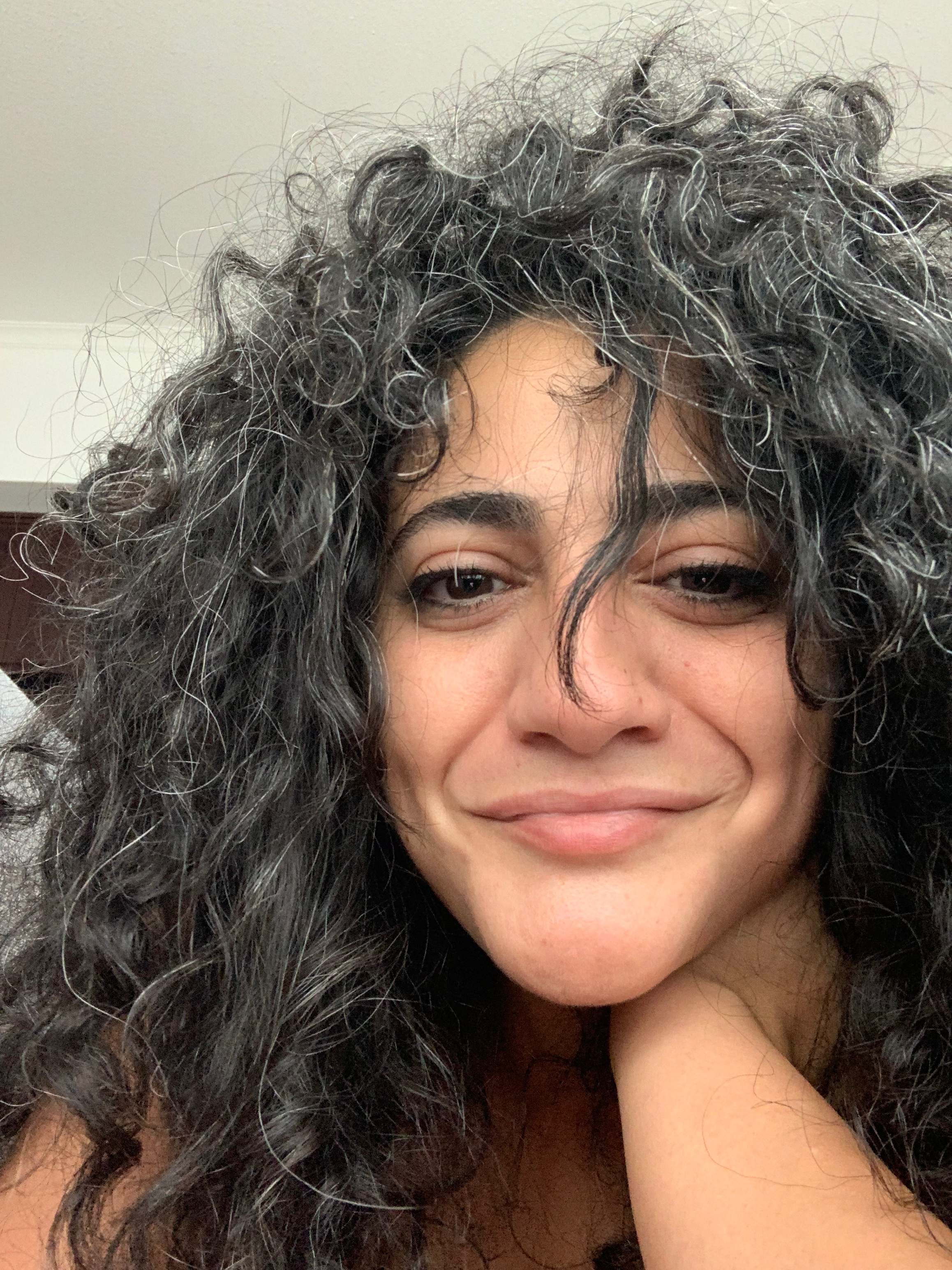
About Me
I’m Zeina Masri, a leadership and power coach, strategist, and narrative analyst. My work sits where leadership meets the realities most leadership training leaves out: power, authority, and the conditions that decide who gets to practice them.
My background spans biochemistry, fine arts, and over fifteen years in marketing and communications strategy across Beirut, Dubai, and Berlin, Much of that was spent in senior leadership, where I learned how power actually operates inside institutions, by holding it and answering to it at once.
Where this started
This work started with a conversation with my manager, a few years ago, while we were doing the team's developmental plans. We were reflecting on how having women leaders impacts the career trajectories of the women on our team, compared to how our own trajectories unfolded under a singular definition of leadership, shaped almost entirely by men.
How we’d had to figure out our leadership style on our own, to reflect our values and voice, and all the friction, resistance, and scrutiny we had (and have still) to push through. And how the leadership of Baby Boomers and Gen X impacted us millennials, and how we want our leadership to impact Gen Z.
That conversation became the center of my coaching career. I engaged with the women around me, colleagues, coachees, to answer these questions:
If leadership is something we practice rather than something we’re handed to perform, why does gender play such a huge role in how that practice is even allowed to look?
Whose version of leadership are we even allowed to practice?
How is Leadership practiced in a body, a culture, a history, a race that version was never built to include?
And what happens to it across generations, when what counted as authority for one no longer holds for the next?
And how does class fit into all of this, when status, access, who gets listened to and who doesn’t, all trace back to resources, and who controls them.
Which meant the question was never only about gender, or generations. It was about power and authority, and who is allowed to hold it. This is where the coaching model in this practice lives.

